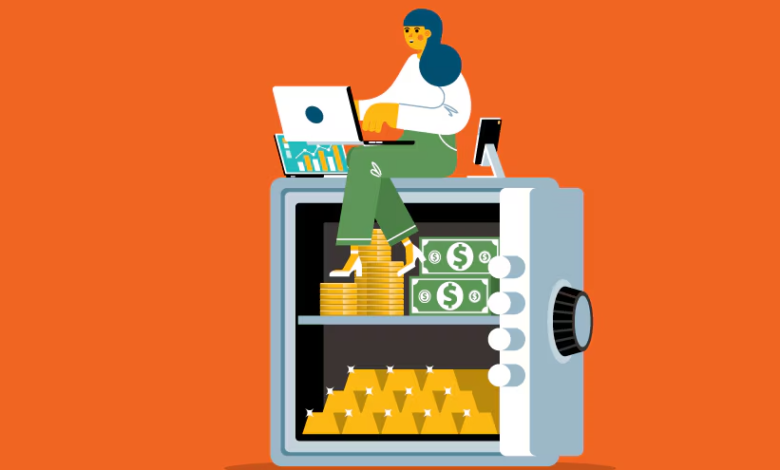
A savings account is usually the first step into the formal banking system. During Bank Account Opening, most individuals choose a savings account because it supports daily transactions while helping store money safely. This guide explains savings accounts in detail, including features, rules, benefits, limitations, and how to use them wisely.
What Is a Savings Account
A savings account is designed to help individuals save money while allowing easy access when needed. It supports deposits, withdrawals, and digital transactions.
Banks also pay interest on the balance kept in a savings account. This helps money grow slowly over time.
Purpose of a Savings Account
Savings accounts encourage safe money storage instead of holding cash. They help users manage daily expenses and emergency funds.
They also act as a foundation for accessing other banking services like loans, cards, and digital payments.
Who Should Open a Savings Account
Savings accounts are suitable for salaried individuals, students, homemakers, and retirees. Anyone with regular or irregular income can use one.
These accounts are also ideal for first-time bank users due to simple rules.
See also: business analysis and trends
Types of Savings Accounts Available
Banks offer different savings account variants. These include regular savings accounts, zero balance accounts, student accounts, and senior citizen accounts.
Each type has different balance rules, features, and benefits.
Eligibility Criteria for Savings Accounts
Most adults with valid identity and address proof can open a savings account. Minors need a guardian to manage the account.
Residency status may affect eligibility for certain variants.
Documents Required for Savings Accounts
Banks require identity proof and address proof. Tax identification documents may also be required.
Digital copies are accepted for online applications. Branch applications need physical verification.
Minimum Balance Rules in Savings Accounts
Many savings accounts require maintaining a monthly average balance. The required amount depends on the bank and account type.
Some banks offer zero balance savings accounts with limited features.
Interest Rates on Savings Accounts
Savings accounts earn interest on deposited funds. Interest rates vary by bank and may change over time.
Interest is usually calculated daily and credited periodically.
How Savings Account Interest Works
Banks calculate interest based on daily closing balance. Higher balances earn more interest.
Interest helps protect money from complete value loss due to inflation, though returns are modest.
Online vs Offline Savings Account Setup
Savings accounts can be opened online or at a bank branch. Online setup is faster and paperless in many cases.
Branch setup offers personal guidance and suits users with special requirements.
Digital Banking Features in Savings Accounts
Savings accounts provide access to mobile banking and net banking. Users can transfer funds and pay bills easily.
These features reduce dependency on branch visits.
Debit Card Facilities in Savings Accounts
Most savings accounts come with a debit card. The card allows ATM withdrawals and merchant payments.
Withdrawal limits depend on account type and bank policy.
Transaction Limits in Savings Accounts
Savings accounts may have limits on free transactions per month. Exceeding limits can attract charges.
Understanding transaction rules helps avoid unnecessary fees.
Charges Associated with Savings Accounts
Banks may charge for non-maintenance of balance, extra transactions, or special services.
Reviewing the schedule of charges helps manage costs better.
Benefits of Using a Savings Account
Savings accounts offer safety, liquidity, and convenience. They support daily financial needs.
They also create a banking history useful for future services.
Limitations of Savings Accounts
Interest rates are lower compared to investment products. Transaction limits may apply.
Savings accounts are not designed for high-volume business use.
Savings Accounts for Students
Student savings accounts offer relaxed balance rules. Banks design them to support education needs.
These accounts may convert to regular savings accounts after graduation.
Savings Accounts for Senior Citizens
Senior citizens may receive higher interest rates or lower balance requirements. Benefits vary by bank.
Age proof is usually required to access senior benefits.
Joint Savings Accounts Explained
Joint accounts allow two or more people to operate one account. Operation rules are set at opening.
All account holders share responsibility for balance maintenance.
Safety and Security of Savings Accounts
Banks use strong security systems to protect savings accounts. Alerts and monitoring help detect fraud.
Users should also follow safe banking habits.
How to Use a Savings Account Effectively
Maintain a buffer balance to avoid penalties. Track expenses using digital tools.
Using savings accounts wisely supports better money management.
Relationship Between Savings Accounts and Financial Planning
Savings accounts help build emergency funds. They support short-term financial goals.
They also act as a gateway to investments and credit products.
Common Mistakes Savings Account Holders Make
Ignoring balance rules leads to charges. Not reviewing statements can hide errors.
Keeping large idle funds may reduce growth potential.
Upgrading or Changing Savings Account Type
Banks allow upgrades to premium accounts. Feature changes depend on eligibility.
Switching plans can improve benefits if usage increases.
FAQs About Savings Accounts
Is a savings account mandatory for everyone
No, but it is highly recommended for safe money management.
Can I have multiple savings accounts
Yes, most banks allow multiple accounts.
Do savings accounts have withdrawal limits
Yes, limits apply depending on bank policy.
Can savings accounts be opened online
Yes, many banks support full digital onboarding.
Are savings accounts safe
Yes, banks follow strict security and regulatory standards.
Final Thoughts on Savings Accounts
Savings accounts remain a core part of personal finance. They balance safety and accessibility.
Making the right choice during Bank Account Opening ensures your savings account supports both daily needs and long-term financial stability.