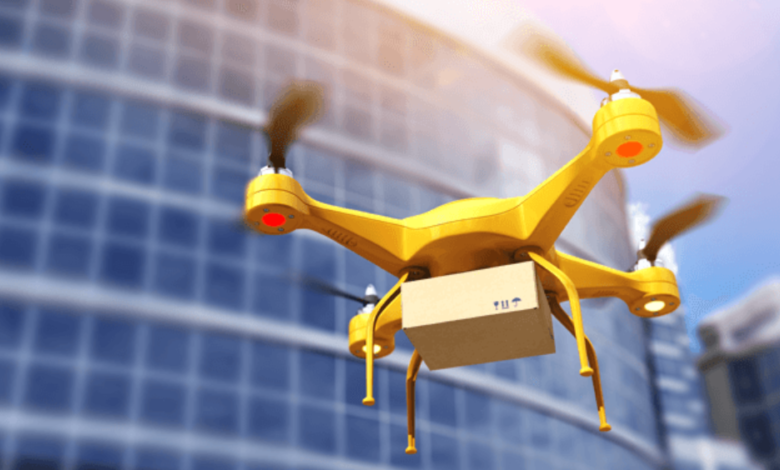
Drone delivery systems are poised to revolutionize logistics by enhancing efficiency and reducing operational costs. Their capability to navigate congested urban airspaces autonomously could address significant supply chain bottlenecks. However, the successful deployment of these systems is contingent upon resolving key issues surrounding safety, privacy, and regulatory frameworks. The implications of these factors could shape the future landscape of logistics in unforeseen ways. What remains to be seen is how stakeholders will respond to these challenges.
Benefits of Drone Delivery Systems
As urban populations continue to rise, the integration of drone delivery systems presents a transformative solution to logistical challenges, particularly in densely populated areas.
These systems offer significant cost efficiency by reducing manpower and infrastructure costs. Additionally, the speed advantage of drones enables rapid delivery, often reaching consumers within minutes.
This combination can enhance customer satisfaction and streamline operations, fostering greater freedom in logistics.
See also: Digital Tools Every Student Should Know
Challenges Facing Drone Implementation
Despite the numerous advantages offered by drone delivery systems, several challenges impede their widespread implementation.
Technical limitations, such as battery life and payload capacity, hinder operational efficiency. Additionally, public perception remains a critical hurdle; concerns about privacy, safety, and noise pollution can negatively influence acceptance.
Addressing these issues is vital for the successful integration of drone technology into modern logistics systems, ensuring both freedom and functionality.
Regulatory and Safety Considerations
How can regulatory frameworks effectively balance innovation and public safety in the realm of drone delivery systems?
To achieve this, safety standards must be meticulously developed, ensuring compliance without stifling technological advancement.
Data-driven analyses can inform these frameworks, promoting efficiency while safeguarding communities.
A dynamic approach that adapts to evolving technologies will empower stakeholders, fostering a landscape where innovation thrives alongside public trust.
The Future Landscape of Logistics With Drones
While the integration of drone technology into logistics is still in its nascent stages, it promises to redefine supply chain dynamics significantly.
Autonomous navigation capabilities will enhance efficiency, enabling real-time deliveries in congested urban airspace.
As infrastructure evolves, drones are poised to alleviate traditional logistics bottlenecks, offering businesses unprecedented flexibility and scalability while meeting the growing demand for rapid delivery solutions.
Conclusion
In conclusion, the integration of drone delivery systems heralds a new era in logistics, characterized by unprecedented efficiency and reduced operational costs. For instance, a hypothetical case study of a metropolitan area could showcase a 30% decrease in delivery times and a significant reduction in traffic congestion, illustrating the potential benefits of widespread drone adoption. However, realizing this potential requires addressing safety concerns and establishing comprehensive regulations to ensure public trust and acceptance in this innovative delivery method.